Hyperion Unveils a New, Timeless Identity Rooted in the Sun
Hyperion Unveils a New, Timeless Identity Rooted in the Sun
A Manifesto for the Bold Character of an Untamed Range
Hyperion, the super-premium wine range from Domeniile Alexandrion Rhein 1892, is shedding its past aesthetic to reveal a striking new visual identity. Embracing a clean, artistic, and minimalist label design, the brand firmly cements its status as a symbol of refinement, distinction, and timeless elegance.
This new look is far more than a simple packaging refresh; it is a profound manifesto of DAR1892’s winemaking excellence, translated for a new generation of conscious connoisseurs: “Hyperion does not follow trends. Hyperion follows the sun.”
An Organic and Timeless Design
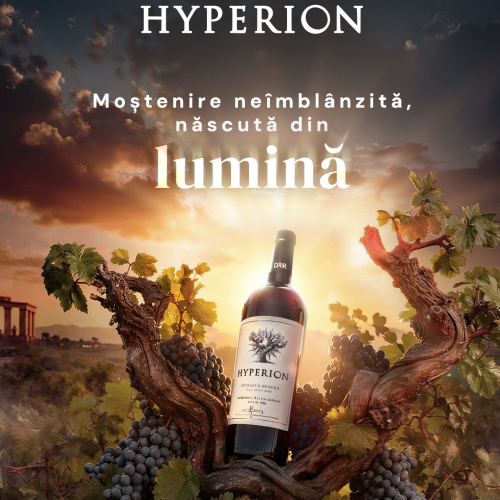
At the heart of Hyperion’s new look is a hand-drawn illustration featuring an ancestral, sinuous grapevine that rises like a Tree of Life to embrace a full, rich, and oversized sun. This graphic symbolism is entirely deliberate, marking a conscious evolution toward a monumental, enduring, and universal identity.
Hyperion draws a sharp line between itself and fleeting wine trends. The new concept is tailored not just for shelf standout and instant recognition, but especially for its long-term relevance to contemporary consumers who prioritize consistency, heritage, and uncompromising quality over the ephemeral.
Uncompromising Character in Every Drop
The super-premium Hyperion wines are as expressive as the range's new manifesto. Rather than mimicking generic international profiles, Hyperion champions the authentic Romanian terroir of Dealu Mare. It delivers a sophisticated approach to native varieties, elevating them to a distinct, noble rank:
- Hyperion Fetească Neagră: A deep, layered, dry red wine, aged for 12 months in oak barrels. It reveals its refined, elite character through intense notes of black cherries, ripe plums, and subtle hints of vanilla.
- Hyperion Tămâioasă Românească: A brilliant, dry interpretation of a Romanian grape variety traditionally known for being sweet. This wine stands out with a delicate floral bouquet, beautifully complemented by elegant notes of spices, cloves, and frankincense.
- Hyperion Rosé: Vibrant, fresh, and elegant, this blend of Fetească Neagră, Cabernet Sauvignon, Shiraz, and Cabernet Franc is crafted to elevate the senses, showcasing captivating notes of strawberries and red forest fruits.
A Legacy of Excellence
Over the past years, the global wine community has consistently validated the undeniable value of Hyperion’s super-premium wines, with the range boasting an impressive track record of Gold Medals at the prestigious Mundus Vini competition. Today, with this new identity evolution, the brand steps into a visual universe that truly matches its prestige.
The new Hyperion identity proves once again that premium wine does not need to be intimidating - it should be liberating. It stands as a tribute to oenological excellence perfected under the generous sun of the Dealu Mare vineyards, dedicated entirely to those who have the courage to live by their own rules every single day.
DAR 1892 — Untamed heritage
Enjoy responsibly.
 ColorRed